
Most people wash their sheets regularly, but forget about their pillows. Over time, pillows quietly collect sweat, oils, dust, and odors. If you’ve ever noticed yellow stains or a musty smell, you’re not alone.
Many readers tell me they worry they’re doing something wrong. Some wash too often. Others almost never do. It’s confusing, especially with different pillow types and mixed advice online.
In this guide, I’ll walk you through exactly how often to wash your pillows, how to clean them safely, and when it’s time to replace them. These tips come from years of working with different materials and real-world sleep habits.
Quick Answer: Most pillows should be washed every 3 to 6 months. If you sweat heavily, have allergies, or sleep without a pillow protector, washing every 2 to 3 months may help. Memory foam and latex usually need spot cleaning instead of full washing.
How Often Should You Wash Your Pillows?
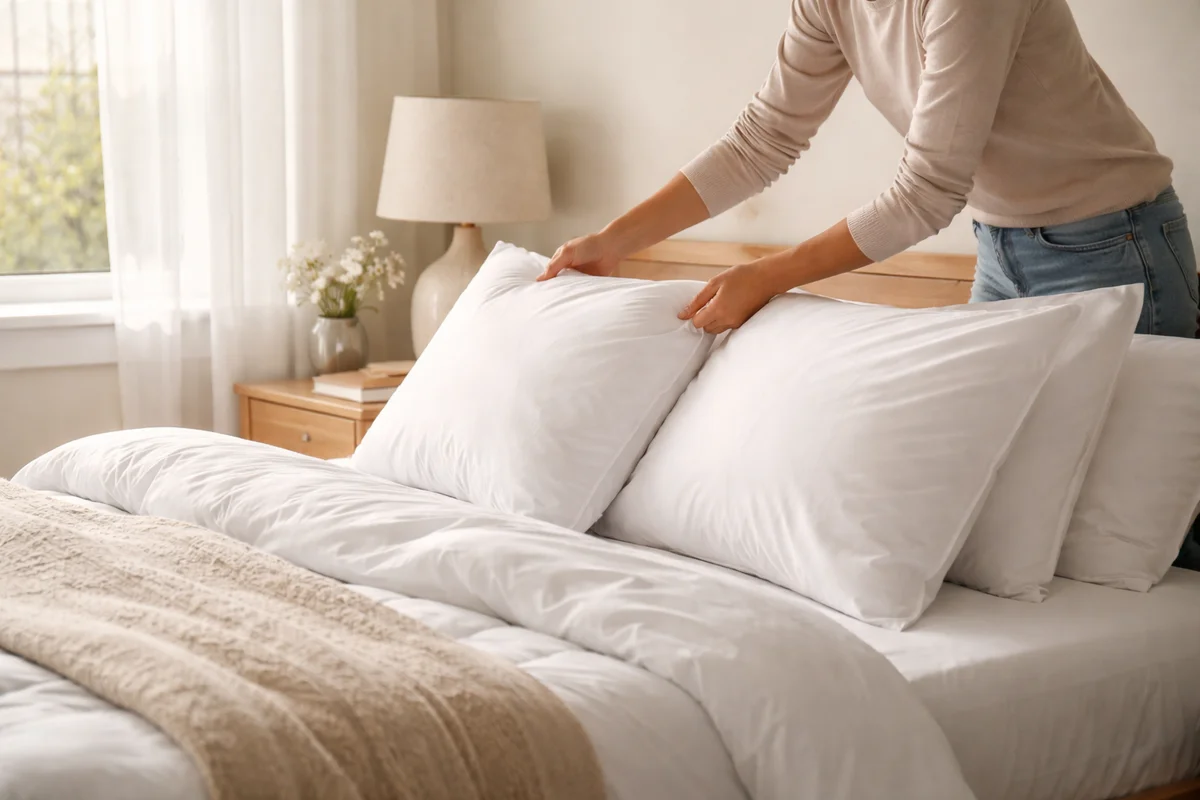
For most people, washing pillows every 3 to 6 months is a healthy balance. This removes built-up oils, sweat, and dust without damaging the filling.
You may need to wash more often if:
- You sweat a lot at night
- You sleep with wet hair
- You have pets on the bed
- You have allergies or sensitive skin
In those cases, washing every 2 to 3 months may help keep things fresher. Using a pillow protector can extend the time between washes.
If you’re unsure how to do this properly, this step-by-step washing guide explains the process clearly.
Washing Frequency by Pillow Material
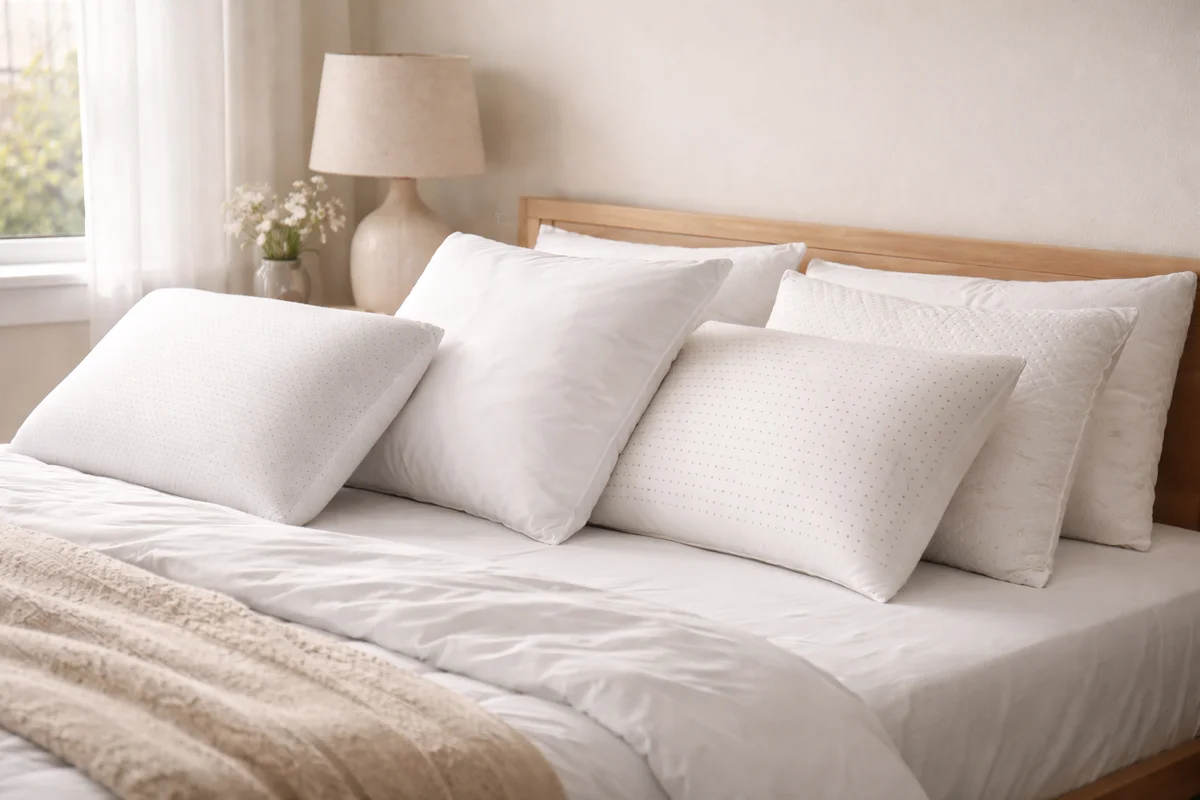
Not all pillows should be cleaned the same way. The material matters more than many people realize.
Down and Feather Pillows
These can usually be washed every 3 to 4 months. Use gentle cycles and dry thoroughly. You can follow this detailed guide on cleaning feather pillows at home.
Memory Foam Pillows
Most memory foam pillows should not go in the washer. Instead, spot clean every few months and deep clean once or twice a year. See this memory foam care guide for safe methods.
Latex Pillows
Latex is similar to foam. Avoid soaking. Clean gently and air dry. This latex pillow cleaning guide explains why.
Bamboo and Hybrid Pillows
Many bamboo pillows are washable, but always check the label. This review on washing bamboo pillows covers common mistakes.
How to Wash Pillows Safely (Machine and Hand)
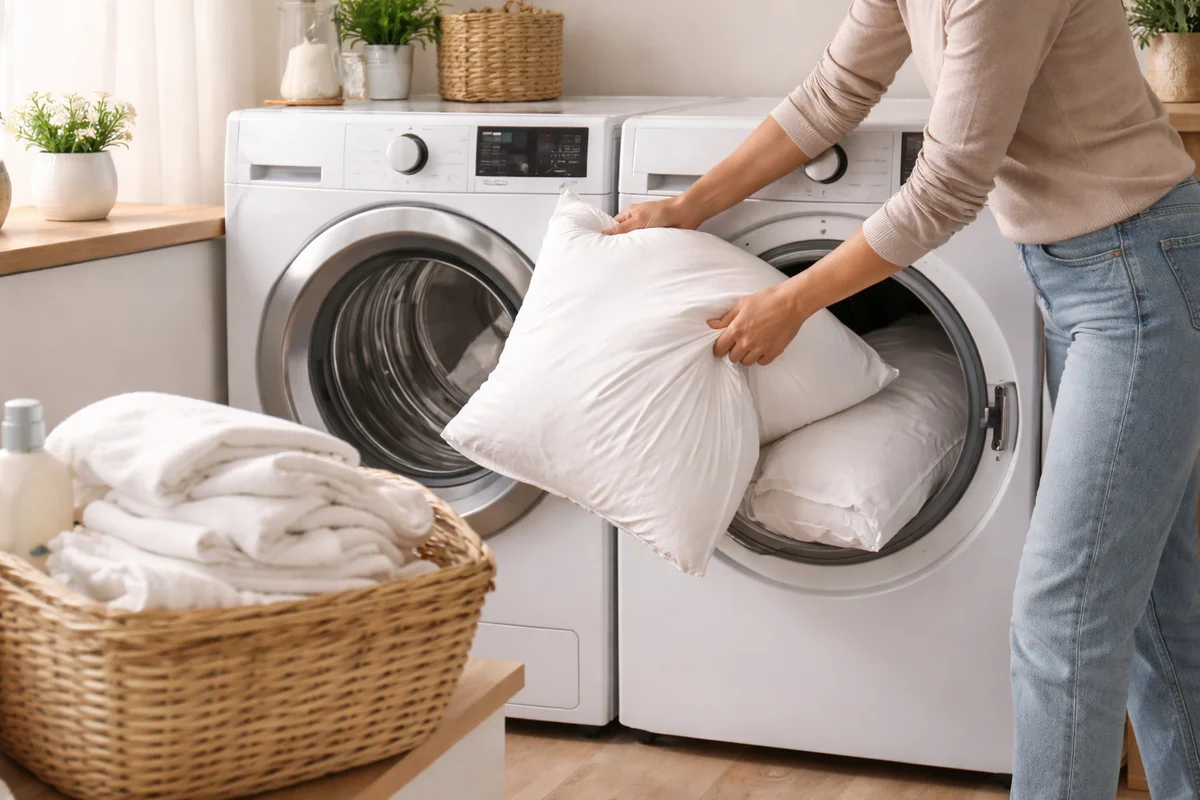
Washing pillows the wrong way can lead to clumping, bad smells, or damaged filling. Here’s a simple approach.
Machine Washing
- Wash two pillows together for balance
- Use mild detergent
- Select gentle or delicate cycle
- Rinse twice if possible
Never overload the machine. If you want more details, this complete washing tutorial is helpful.
Hand Washing
If you don’t have a washing machine, hand washing works well. Soak in warm water with mild soap, gently squeeze, rinse thoroughly, and air dry.
To avoid clumps after washing, you may find this article on drying pillows without a dryer useful.
Why Pillows Turn Yellow Over Time
Yellow stains usually come from sweat, skin oils, drool, and moisture. Over months and years, these build up inside the fabric.
This doesn’t mean your pillow is unsafe. But it does signal that deeper cleaning is needed.
If your pillow is already stained, this guide on removing yellow pillow stains explains gentle whitening methods.
How to Sanitize Pillows Without Washing
Sometimes full washing isn’t possible. In those cases, light sanitizing can help freshen your pillow.
- Sprinkle baking soda and vacuum after 1 hour
- Air out in sunlight (short exposure)
- Use steam carefully on fabric covers
- Wash only the pillowcase and protector
If odors remain after washing, this guide on removing pillow smells offers practical solutions.
For acne-prone skin, changing pillowcases more often may help. Aim for every 3 to 4 days.
When to Replace Your Pillow: Signs You Need a New One
Washing helps, but no pillow lasts forever. Most need replacing every 1.5 to 3 years.
Common signs include:
- Pillow stays flat after fluffing
- Permanent lumps
- Lingering odors
- Neck discomfort in the morning
You can learn simple ways to revive shape in this hand-fluffing guide.
If you’re unsure whether your old pillow is still worth keeping, this article on old pillow risks explains what to consider.
When it’s time to let go, see eco-friendly ways to dispose of old pillows.
Final Thoughts
Washing your pillows every few months is a small habit that can make a real difference in comfort and freshness. Combine regular cleaning with protectors and timely replacement, and your sleep setup stays supportive for years.
If you have allergies, asthma, or skin conditions, consider speaking with a qualified professional before changing your sleep routine. Everyone’s needs are different.
Q: How often should you wash your pillows?
Ans: Most pillows should be washed every 3 to 6 months. If you sweat heavily, have allergies, or don’t use a protector, washing every 2 to 3 months may help. Memory foam and latex usually need spot cleaning instead of full washing.
Q: Is it safe to wash pillows in the washing machine?
Ans: Many down, feather, and synthetic pillows are safe for machine washing on gentle cycles. Always check the care label first. Avoid machine washing memory foam and latex, as water can damage their structure and reduce support over time.
Q: What happens if you never wash your pillow?
Ans: Over time, oils, sweat, and dust can build up inside your pillow. This may cause odors, yellow stains, and reduced comfort. Regular washing helps keep pillows fresher and may reduce irritation for people with sensitive skin.
Q: How do I sanitize pillows without washing them?
Ans: You can freshen pillows by airing them in sunlight briefly, sprinkling baking soda and vacuuming, or using gentle steam on fabric covers. These methods help reduce odors, but they don’t replace deep washing when it’s needed.
Q: Is it worth washing old pillows?
Ans: Washing can improve cleanliness and smell, but it won’t fix broken filling or lost support. If your pillow stays flat, feels lumpy, or causes discomfort, replacement is usually more helpful than repeated washing.